
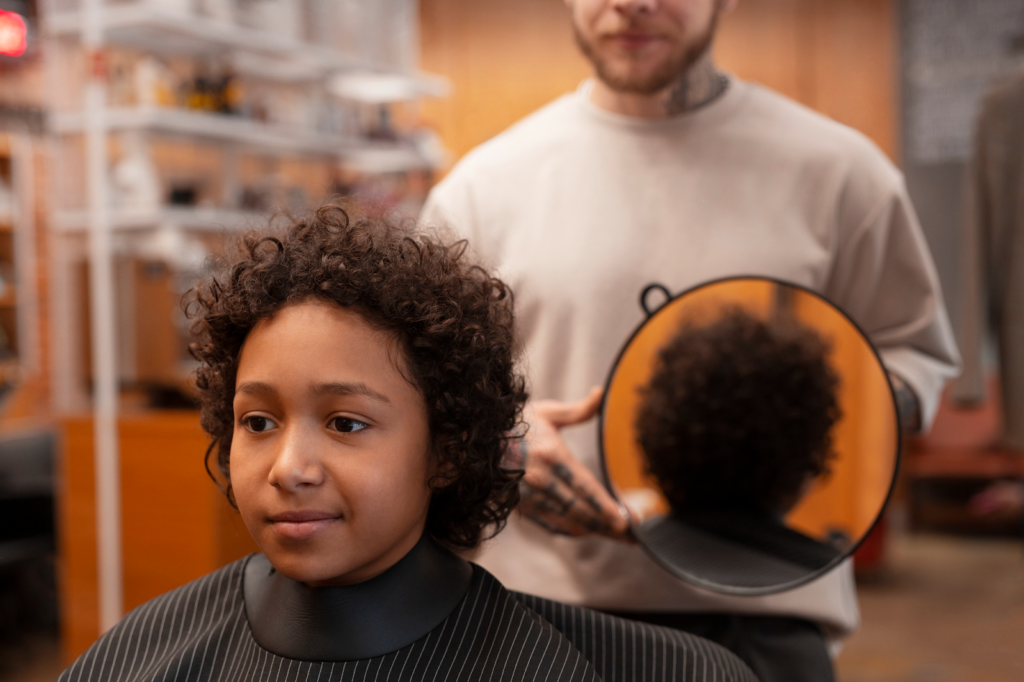
Running big service operations means balancing speed with attention to detail. Every day in housing networks and business-to-business deals shows how steady results build confidence over time. Still, what matters most is understanding that hidden patterns, be they customer groups or genetic traits, shape success more than surface actions. When it comes to caring for hair, treating everyone the same ignores the unique structure of each hair type. Starting with clear steps for different hair types helps match care routines to how people actually grow their hair. Instead of one-size-fits-all fixes, using what science shows about texture and moisture needs brings out stronger, livelier results. That kind of attention mirrors how carefully we run daily operations at work. When routines follow biology, outcomes improve without extra effort. What grows from that is not just a better appearance but proof of consistent, thoughtful practice, especially through personalized men’s grooming approaches that respect individual hair characteristics.
6 Foundations of Ethno-Capillary Research for Understanding Cultural and Biological Patterns
- Asian Hair Structural Characteristics and Care Protocols
It turns out Asian hair usually grows straight and quite thick, held together by a dense, tightly packed outer layer, unlike that of many others. Because of its heavy build, it withstands physical stress better than most hair types around the globe. Yet here’s the catch: the scales tilt sharply, so once harm sets in, they rip away in big chunks. Keeping things balanced means locking in hydration, making sure toughness stays while still allowing movement that feels natural.
- Scalp Microbiome and Sebum Production Variations
Hair health starts where it grows on the scalp. Unlike facial skin, the scalp fights off irritants less effectively. Pollution settles here, products pile up; both throw things out of sync. Some scalps make more oil than others, depending on the background. That’s why steady, mild scrubbing matters, along with keeping hydration in check. When the base stays balanced, roots get what they need to stay active. Strong strands follow naturally when conditions below support them. Professional solutions like customized hair dye for men services can be tailored to work with each hair type’s unique characteristics.
- African Hair Morphology and Moisture Retention Strategies
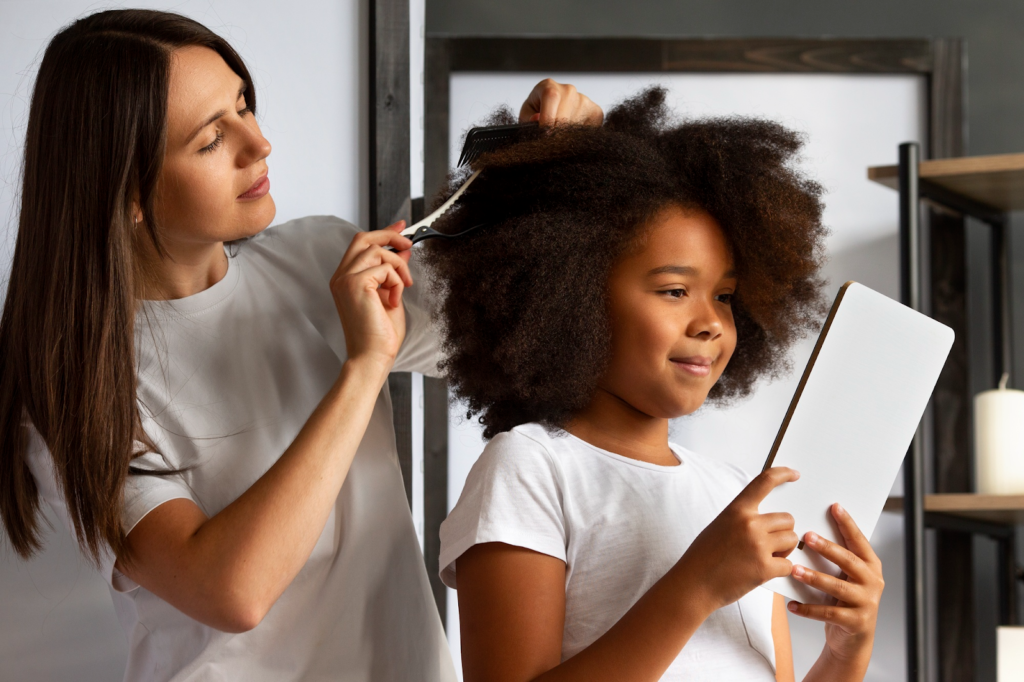
Hair in people of African descent usually grows out at a shallow angle, close to the surface of the head. This creates tightly wound curls plus strands that are oval rather than round when sliced across. Because of this shape, oil made at the scalp struggles to move down the full length. It often stalls partway, leaving tips parched while weak spots form mid-shaft. Moisture loss occurs faster here than in straighter textures. Thick conditioners packed with lipids help fill gaps between cuticles. They act like sealant tape on a frayed rope. Without such care, combing or brushing may snap fragile sections clean off. Protection comes not from force but steady hydration built into routines. The right products stick around longer where needed most. Dryness isn’t just about feeling rough; it signals structural risk.
- Caucasian Hair Density and Vulnerability Patterns
Most people of European descent carry more hair per inch than others, sometimes over two hundred twenty-six in a tiny patch. Even though each strand tends to be fine, the shapes vary wildly; some grow flat and straight, others twist tightly. Because these fibers are oval instead of round, weak spots appear along their length where splits start. Protection matters here, since so much total surface gets hit by the sun and heat every day.
- Cuticle Health and pH Balance Across All Types
Hair stays healthy only when its outer shield holds strong; this shield includes the cell membrane and a special fat called 18 MEA. Because of this unique acid, each strand resists water and glides smoothly past others without snagging. Once aggressive chemicals or excessive washing wear it down, the texture becomes flat and coarse. Yet using gentle washes free from sulfates and matched to natural acidity keeps those fats intact. No matter where your roots lie, such care helps preserve softness and slick defense against dampness.
- Mechanical Stress Resistance and Daily Handling Adjustments
One way to tell hair types apart is by how they handle physical strain. When pulled, European-origin hair often breaks down quickly because its outer layer is weaker. On the other hand, East Asian hair resists damage better, holding form even when stressed. Because each responds differently, adjusting everyday routines makes a difference. Using combs with spaced teeth helps reduce strain. Rubbing hair harshly with towels creates tiny injuries over time. These little damages add up, affecting strength later on. Learning this means recognizing that small actions add up. Each variation in care supports lasting integrity, regardless of background.
Final Thoughts
Starting with how hair grows reveals why one-size-fits-all routines fall short. When texture, density, and scalp chemistry differ, so should what you apply each morning. Shifting away from mass-market bottles creates space for better outcomes, rooted in actual composition rather than broad claims. Daily habits shaped by your background often do quieter, deeper work than flashy fixes ever do. Results show up not through force, but through fit: matching method to makeup matters more than effort alone. Over time, small choices built on evidence add up to a steady presence, both in the mirror and meeting room alike.

