
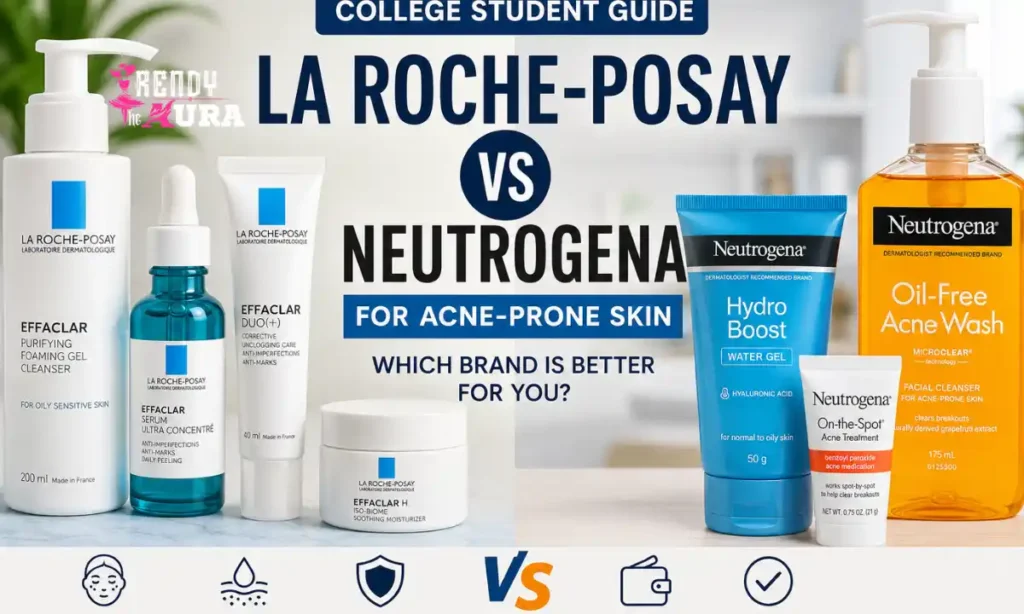
Acne is one of the most common skin concerns among college students. Long study hours, academic stress, irregular sleep, unhealthy eating habits, and exposure to pollution can all contribute to frequent breakouts. When looking for an effective skincare routine, two brands often stand out: La Roche-Posay and Neutrogena. Both are trusted by millions of people worldwide and offer products specifically designed for acne-prone skin.
However, choosing between these brands can be confusing because each one has its own strengths. Some products focus on treating acne aggressively, while others aim to calm the skin and protect its natural barrier. The right choice depends on your skin type, acne severity, and budget.
In this detailed guide, we compare La Roche-Posay and Neutrogena from every angle, including ingredients, effectiveness, affordability, and suitability for college students. By the end, you’ll have a clear understanding of which brand is the better option for your skincare needs.
Quick Answer
If you have sensitive, acne-prone skin that becomes dry or irritated easily, La Roche-Posay is generally the better choice. Its products are designed to treat acne while supporting the skin’s natural protective barrier.
If you have oily skin and are looking for an effective skincare routine at a lower price, Neutrogena offers excellent acne-fighting products that are widely available and budget-friendly.
Both brands are effective, but the best one depends on your individual skin type rather than the brand name alone.
Why Do College Students Experience More Acne?
College life often brings lifestyle changes that can negatively affect skin health. Stress from exams and assignments can increase hormone levels, leading to excess oil production. Staying awake late, eating fast food, and forgetting to drink enough water may also contribute to clogged pores and inflammation.
Daily exposure to dust, pollution, and sweat can further increase the risk of breakouts. In addition, many students wear makeup or sunscreen for long hours without properly cleansing their skin afterward. All these factors make a consistent skincare routine essential for maintaining healthy, acne-free skin.
Understanding Acne-Prone Skin
Acne-prone skin produces excess oil, making pores more likely to become clogged with dead skin cells and bacteria. This often results in blackheads, whiteheads, pimples, and occasional painful cysts.
People with acne-prone skin should look for products that:
- Remove excess oil without over-drying the skin
- Unclog pores
- Reduce inflammation
- Support the skin barrier
- Prevent future breakouts
Using harsh products may temporarily reduce oil but can damage the skin barrier, causing irritation and even more acne over time.
What Is La Roche-Posay?
La Roche-Posay is a French skincare brand known for creating dermatologist-recommended products for sensitive skin. The brand focuses on developing gentle yet effective formulas that treat common skin concerns such as acne, rosacea, eczema, and dryness.
Its acne-care products are especially popular because they combine effective ingredients with soothing components that help reduce irritation. Many of its formulas are fragrance-free and designed to be suitable for people with sensitive or reactive skin.
One of its most well-known collections is the Effaclar range, which targets oily and acne-prone skin while maintaining skin hydration and comfort.
What Is Neutrogena?
Neutrogena is one of the most recognized skincare brands in the world. It offers a wide range of affordable products for different skin concerns, including acne, dryness, aging, and sun protection.
The brand is especially popular among teenagers and young adults because its acne treatments are effective, easy to find, and available at reasonable prices. Many Neutrogena products contain proven acne-fighting ingredients that help reduce oil production, clear clogged pores, and minimize breakouts.
Because of its affordability and accessibility, Neutrogena is often the first skincare brand many college students try.
La Roche-Posay vs Neutrogena: Quick Comparison

| Feature | La Roche-Posay | Neutrogena |
|---|---|---|
| Best For | Sensitive acne-prone skin | Oily and acne-prone skin |
| Price | Premium | Budget-friendly |
| Skin Barrier Protection | Excellent | Good |
| Acne Treatment | Excellent | Very Good |
| Hydration | Excellent | Good |
| Availability | Pharmacies and online | Supermarkets, pharmacies, and online |
| Suitable for Beginners | Yes | Yes |
| Dermatologist Recommendation | Very High | High |
Why Choosing the Right Brand Matters
Many people believe stronger products always work better for acne, but this is not always true. Overusing harsh cleansers or acne treatments can damage your skin barrier, leading to redness, peeling, dryness, and even more breakouts.
The ideal skincare routine should remove excess oil while keeping the skin balanced and hydrated. This is why selecting products based on your skin type is far more important than choosing the most popular brand.
For college students dealing with daily stress and changing routines, gentle and consistent skincare often produces better long-term results than aggressive treatments.
What Makes These Two Brands Different?
Although both brands focus on acne treatment, they take different approaches.
La Roche-Posay emphasizes gentle skincare that protects the skin barrier while reducing acne. Its products often include soothing ingredients that minimize irritation and improve overall skin health.
Neutrogena focuses on providing effective acne treatments at affordable prices. Its products are designed to remove excess oil, unclog pores, and reduce breakouts using clinically proven ingredients. While highly effective, some formulas may feel stronger on sensitive skin.
For students with limited budgets, Neutrogena can be an excellent starting point. Those with sensitive skin or recurring irritation may find La Roche-Posay worth the additional investment because of its balanced formulations.
Ingredients Comparison
The effectiveness of any acne skincare product depends more on its active ingredients than on the brand name. Both La Roche-Posay and Neutrogena use scientifically proven ingredients to fight acne, but they combine them differently to suit different skin types.
La Roche-Posay focuses on treating acne while protecting the skin’s natural barrier. Its formulas often include soothing and hydrating ingredients alongside acne-fighting actives, making them suitable for people with sensitive skin.
Neutrogena, on the other hand, emphasizes effective acne control using well-known ingredients that target excess oil, clogged pores, and acne-causing bacteria. Many of its products are designed to deliver quick and noticeable results, particularly for oily skin.
Understanding these ingredients can help you choose products that match your skin’s specific needs.
Salicylic Acid: The Pore-Cleansing Ingredient
Salicylic acid is one of the most effective ingredients for treating acne-prone skin. It is a beta hydroxy acid (BHA) that penetrates deep into the pores to remove excess oil, dead skin cells, and impurities.
This ingredient is especially helpful for:
- Blackheads
- Whiteheads
- Mild acne
- Enlarged pores
- Oily skin
Both La Roche-Posay and Neutrogena include salicylic acid in several cleansers, toners, and acne treatments. Regular use can help keep pores clear and reduce future breakouts. However, overusing products with salicylic acid may cause dryness, so it should be introduced gradually into your skincare routine.
Benzoyl Peroxide: Fighting Acne-Causing Bacteria
Benzoyl peroxide is another widely used acne treatment ingredient. Unlike salicylic acid, which focuses on unclogging pores, benzoyl peroxide targets the bacteria responsible for inflammatory acne.
It is particularly effective for:
- Red pimples
- Swollen acne
- Painful breakouts
- Moderate inflammatory acne
Many Neutrogena acne products contain benzoyl peroxide because it works quickly to reduce bacteria and inflammation. Some La Roche-Posay products also include this ingredient, but the brand often balances it with soothing ingredients to minimize irritation.
If you have never used benzoyl peroxide before, start with a lower concentration and use it only a few times each week until your skin adjusts.
Niacinamide: A Skin Barrier Supporter
Niacinamide has become one of the most popular skincare ingredients because of its ability to improve overall skin health while reducing acne-related concerns.
Its benefits include:
- Reducing redness
- Controlling excess oil
- Strengthening the skin barrier
- Improving uneven skin tone
- Fading post-acne marks
- Supporting skin hydration
La Roche-Posay frequently includes niacinamide in its acne-care products, making them suitable for people whose skin becomes irritated easily after using active treatments.
Hyaluronic Acid: Keeping Skin Hydrated
Many people believe oily skin does not need hydration, but this is a common misconception. Dehydrated skin can actually produce more oil in an attempt to compensate for moisture loss.
Hyaluronic acid attracts water to the skin and helps maintain hydration without making the skin feel greasy. Several Neutrogena moisturizers and some La Roche-Posay products include this ingredient to keep the skin soft while preventing excessive dryness caused by acne treatments.
Zinc: Helping Control Excess Oil
Zinc is another beneficial ingredient commonly found in acne skincare products. It helps reduce oil production, calm inflammation, and improve the overall appearance of acne-prone skin.
La Roche-Posay often includes Zinc PCA in its formulations, making them particularly suitable for individuals with oily yet sensitive skin.
Which Brand Uses Better Ingredients?
Both brands use ingredients that are supported by scientific research. The difference lies in how those ingredients are combined.
La Roche-Posay focuses on creating balanced formulations that treat acne while maintaining skin comfort. Neutrogena prioritizes strong acne-fighting ingredients at affordable prices, making it a practical choice for students.
Neither approach is universally better. The right option depends on your skin’s tolerance and your skincare goals.
Which Brand Is Better for Different Skin Types?
Oily Skin
Winner: Neutrogena
People with oily skin usually benefit from products that remove excess oil without leaving a greasy residue. Neutrogena offers several cleansers and treatments specifically formulated for oil control, making it a great choice for students who struggle with shiny skin throughout the day.
Its products help reduce clogged pores while keeping breakouts under control.
Sensitive Acne-Prone Skin
Winner: La Roche-Posay
Sensitive skin requires gentle formulations that minimize irritation while still treating acne effectively.
La Roche-Posay is widely recognized for creating products that support the skin barrier and reduce redness. Many of its acne products include soothing ingredients that help prevent excessive dryness, making them ideal for individuals whose skin reacts easily to stronger treatments.
Combination Skin
Winner: Tie
Combination skin has both oily and dry areas, making product selection more challenging.
Both brands offer cleansers and moisturizers suitable for combination skin. The best results usually come from choosing products based on your skin’s specific needs rather than sticking to one brand.
For example, some people use a gentle cleanser from one brand and a moisturizer from another without any issues.
Dry Acne-Prone Skin
Winner: La Roche-Posay
Dry skin still experiences acne, but harsh treatments can make the condition worse.
La Roche-Posay products often include hydrating and barrier-supporting ingredients that help prevent excessive dryness while controlling acne. This balanced approach makes the brand especially suitable for dry, acne-prone skin.
Normal Skin
Winner: Tie
If your skin is generally balanced, both brands can work well. The decision mainly depends on your budget, preferred texture, and personal skincare routine.
Which Brand Works Better for Different Types of Acne?
Blackheads
Winner: Tie
Both La Roche-Posay and Neutrogena use salicylic acid to help dissolve oil and remove dead skin cells trapped inside pores. With regular use, both brands can effectively reduce blackheads.
Whiteheads
Winner: Tie
Whiteheads form when clogged pores remain closed beneath the skin’s surface. Products containing salicylic acid and gentle exfoliating ingredients from either brand can gradually improve this type of acne.
Consistency is more important than switching between products frequently.
Red Inflamed Pimples
Slight Advantage: La Roche-Posay
Inflamed pimples often require ingredients that reduce bacteria and calm irritation at the same time.
La Roche-Posay products are formulated to control inflammation while supporting the skin barrier, making them especially suitable for people who experience redness along with breakouts.
Hormonal Acne
Winner: Neither Brand
Hormonal acne develops because of internal hormonal changes rather than external skin conditions.
While both brands can reduce oil production and improve the appearance of hormonal acne, they cannot eliminate the underlying hormonal cause. People with severe hormonal acne may need professional medical treatment in addition to a good skincare routine.
Acne Marks
Winner: La Roche-Posay
After acne heals, many people are left with dark marks or uneven skin tone.
Because many La Roche-Posay products include ingredients that support skin repair and reduce redness, they may help improve the appearance of post-acne marks over time when used consistently alongside sunscreen.
Which Brand Is Gentler on Sensitive Skin?
One of the biggest concerns for acne sufferers is irritation caused by strong skincare products. Redness, peeling, burning, and dryness can discourage people from continuing their skincare routine.
La Roche-Posay is generally considered the gentler option because many of its products are designed specifically for sensitive skin. Its formulations focus on balancing effective acne treatment with hydration and skin barrier protection.
Neutrogena also offers gentle products, but some of its acne treatments may feel stronger, particularly those containing higher concentrations of active ingredients. People with very sensitive skin should introduce these products gradually and always follow with a moisturizer.
For college students who are new to skincare or have easily irritated skin, starting with a gentle routine often leads to better long-term results than using aggressive acne treatments.
Price Comparison
For most college students, budget plays an important role when choosing skincare products. While both La Roche-Posay and Neutrogena offer effective acne solutions, there is a noticeable difference in their pricing.
La Roche-Posay is considered a premium skincare brand. Its products often cost more because they are formulated with high-quality ingredients and are designed to be gentle on sensitive skin. Many users see the higher price as an investment in long-term skin health, especially if they struggle with irritation or recurring breakouts.
Neutrogena is much more affordable and widely available in supermarkets, pharmacies, and online stores. Its products provide effective acne treatment at a lower price, making them a popular choice among students and first-time skincare users.
If your budget is limited, Neutrogena offers excellent value for money. If you can spend a little more and have sensitive skin, La Roche-Posay may be worth the additional cost.
Price Comparison Table
| Product Category | La Roche-Posay | Neutrogena |
|---|---|---|
| Facial Cleanser | Premium Price | Budget-Friendly |
| Moisturizer | Premium Price | Affordable |
| Sunscreen | Premium Price | Mid-Range |
| Spot Treatment | Higher Price | Affordable |
| Complete Routine Cost | High | Moderate |
Which Brand Offers Better Value for Money?
Value is not determined only by the price tag. It also depends on how well a product performs and whether it suits your skin.
If you have oily skin and mild acne, Neutrogena provides excellent performance at a reasonable cost. Many students can build an entire skincare routine without spending too much.
However, if your skin is sensitive, easily irritated, or damaged from previous acne treatments, La Roche-Posay may save you money in the long run by reducing the need to replace products that don’t work well for your skin.
For students who prioritize affordability, Neutrogena is often the better value. For those who prioritize skin comfort and barrier protection, La Roche-Posay justifies its premium price.
Best Daily Skincare Routine for College Students
A simple and consistent routine is often more effective than using many products at once. Acne-prone skin benefits from gentle cleansing, proper hydration, and daily sun protection.
Morning Routine
Step 1: Cleanser
Start your day by washing your face with a gentle cleanser that removes excess oil, sweat, and overnight buildup without stripping the skin.
Step 2: Moisturizer
Even oily skin needs moisture. A lightweight, non-comedogenic moisturizer helps maintain the skin barrier and prevents excessive oil production caused by dehydration.
Step 3: Sunscreen
Apply a broad-spectrum sunscreen with SPF 30 or higher every morning. Sunscreen protects your skin from UV damage and helps prevent acne marks from becoming darker.
Evening Routine
Step 1: Cleanser
Wash your face again to remove dirt, pollution, sunscreen, and excess oil accumulated throughout the day.
Step 2: Acne Treatment
Apply your acne treatment according to the product instructions. Whether it contains salicylic acid or benzoyl peroxide, begin by using it a few times each week before increasing frequency if your skin tolerates it well.
Step 3: Moisturizer
Finish your nighttime routine with a moisturizer to reduce dryness and support overnight skin repair.
Weekly Skincare Tips
In addition to your daily routine, adopting a few healthy skincare habits each week can improve your results.
- Wash pillowcases regularly.
- Clean makeup brushes and sponges.
- Avoid touching your face unnecessarily.
- Drink enough water throughout the day.
- Eat a balanced diet rich in fruits and vegetables.
- Get adequate sleep whenever possible.
These small habits can support healthier skin over time.
Common Acne Mistakes College Students Make
Many students unknowingly make mistakes that can worsen acne instead of improving it.
Washing the Face Too Often
Cleaning your face more than twice a day can remove the skin’s natural oils and cause irritation. This may lead to increased oil production and more breakouts.
Skipping Moisturizer
Some people believe moisturizers cause acne, but using a non-comedogenic moisturizer actually helps maintain a healthy skin barrier and reduces irritation from acne treatments.
Popping Pimples
Squeezing pimples can push bacteria deeper into the skin, increasing inflammation and raising the risk of permanent acne scars.
Using Too Many Active Ingredients
Combining multiple acne treatments at the same time may overwhelm the skin. Introducing one new product at a time allows you to monitor how your skin responds.
Expecting Overnight Results
Acne treatments require patience. Most products need several weeks of consistent use before noticeable improvements appear. Switching products too quickly often prevents you from seeing their full benefits.
Ignoring Sunscreen
Sun exposure can make acne marks darker and slow the healing process. Daily sunscreen is an important part of every acne skincare routine.
Pros and Cons of La Roche-Posay
Pros
- Gentle formulations suitable for sensitive skin.
- Supports the skin’s natural barrier.
- Effective ingredients for treating acne.
- Lightweight and comfortable textures.
- Suitable for long-term skincare routines.
- Frequently recommended by dermatologists.
Cons
- More expensive than many drugstore brands.
- Some products may not be easily available in every location.
- Building a complete routine can be costly for students.
Pros and Cons of Neutrogena
Pros
- Affordable pricing.
- Widely available in stores and online.
- Effective acne-fighting ingredients.
- Good selection of cleansers and treatments.
- Suitable for oily and acne-prone skin.
- Easy to build a complete routine on a student budget.
Cons
- Some acne treatments may cause dryness.
- Certain products may not be ideal for very sensitive skin.
- Strong active ingredients may require gradual introduction.
Which Brand Is Easier to Find?
Neutrogena products are available in most supermarkets, pharmacies, beauty stores, and online marketplaces, making them easy to purchase almost anywhere.
La Roche-Posay is also widely available but is more commonly found in pharmacies, dermatology clinics, and specialized skincare retailers. Depending on your location, the selection may be more limited than Neutrogena.
Which Brand Is Better for Beginners?
If you are just starting a skincare routine, both brands offer beginner-friendly options. However, your skin type should guide your decision.
If you have oily skin and want an affordable routine, Neutrogena is an excellent place to start.
If your skin is sensitive or has reacted badly to acne products in the past, La Roche-Posay provides a gentler introduction to acne treatment with formulas that focus on maintaining skin health while reducing breakouts.
Which Brand Should You Choose?
Choosing between La Roche-Posay and Neutrogena depends on your skin type, acne severity, and budget. Both brands are trusted worldwide and offer effective solutions for acne-prone skin, but they are designed with different priorities in mind.
Choose La Roche-Posay If:
- You have sensitive or easily irritated skin.
- Your skin becomes dry after using acne treatments.
- You want products that strengthen the skin barrier while treating acne.
- You are willing to spend more on premium skincare.
- You experience redness or inflammation along with breakouts.
La Roche-Posay is an excellent long-term investment for people who want gentle yet effective skincare without causing unnecessary irritation.
Choose Neutrogena If:
- You have oily or combination skin.
- You are a college student with a limited budget.
- You need effective acne products that are easy to find.
- You are dealing with mild to moderate acne.
- You prefer affordable skincare that delivers reliable results.
Neutrogena offers excellent performance for everyday acne management and remains one of the best choices for students looking for value.
Can You Use Products From Both Brands Together?
Yes. Many skincare enthusiasts and dermatologists recommend building a routine based on ingredients rather than sticking to a single brand.
For example, you can use:
- A gentle cleanser from one brand.
- A moisturizer from the other.
- An acne treatment that suits your skin type.
- A sunscreen that feels comfortable for daily use.
The most important rule is to avoid using too many strong active ingredients at the same time. Introduce new products gradually and monitor how your skin responds.
Tips for College Students With Acne-Prone Skin
Maintaining healthy skin is not only about using the right products. Daily habits also play an important role in preventing breakouts.
Here are some practical tips:
- Wash your face twice a day using a gentle cleanser.
- Never sleep with makeup or sunscreen on your skin.
- Drink enough water throughout the day.
- Try to maintain a regular sleep schedule.
- Eat a balanced diet with fresh fruits and vegetables.
- Avoid touching your face unnecessarily.
- Change pillowcases regularly.
- Clean your phone screen frequently.
- Wear sunscreen every morning.
- Be patient and allow skincare products enough time to work.
Small lifestyle changes combined with a consistent skincare routine can make a noticeable difference over time.
Conclusion
Both La Roche-Posay and Neutrogena produce high-quality skincare products that effectively target acne-prone skin. Neither brand is universally better because every person’s skin responds differently.
If your skin is sensitive, easily irritated, or prone to dryness, La Roche-Posay is generally the stronger choice. Its gentle formulations focus on treating acne while protecting the skin’s natural barrier, making it suitable for long-term use.
If you have oily skin and are looking for an affordable, effective skincare routine, Neutrogena offers excellent value. Its products contain proven acne-fighting ingredients and are widely available, making them a practical option for college students.
Ultimately, the best skincare routine is one that you can use consistently. Choosing products that match your skin type, following a simple routine, and maintaining healthy daily habits will provide better long-term results than switching between products frequently.
FAQs
Is La Roche-Posay better than Neutrogena for acne?
For people with sensitive or easily irritated skin, La Roche-Posay is often the better choice because its products are formulated to treat acne while supporting the skin barrier. For oily skin and budget-conscious users, Neutrogena is also an excellent option.
Which brand is better for college students?
Students with a limited budget may find Neutrogena more affordable and easier to maintain as a complete skincare routine. Those with sensitive skin may benefit more from investing in La Roche-Posay products.
Can I use La Roche-Posay cleanser with a Neutrogena moisturizer?
Yes. Skincare products from different brands can usually be combined safely, provided the active ingredients are compatible and do not cause irritation.
Which brand is better for oily skin?
Neutrogena generally performs better for oily skin because many of its products are specifically designed to control excess oil while treating acne.
Which brand is better for dry acne-prone skin?
La Roche-Posay is usually the better option for dry acne-prone skin because its products help maintain hydration while reducing breakouts.
Do both brands help with acne scars?
Both brands offer products that may improve the appearance of post-acne marks over time, especially when combined with daily sunscreen and a consistent skincare routine.
How long does it take to see results?
Most acne skincare products require four to eight weeks of regular use before noticeable improvements appear. Consistency is the key to achieving the best results.
Should I use acne products every day?
Most cleansers and moisturizers can be used daily. Strong acne treatments should be introduced gradually according to your skin’s tolerance and the product instructions.
Can teenagers and young adults use these brands?
Yes. Both La Roche-Posay and Neutrogena offer products that are suitable for teenagers, college students, and adults with acne-prone skin.
Is expensive skincare always better?
Not necessarily. The best skincare product is one that suits your skin type, contains effective ingredients, and is used consistently. Expensive products are not automatically more effective for everyone.
Also, Read About: I’m a Pregnant Woman. Are Nivea Products Safe Compared to Burt’s Bees or Mustela?

