
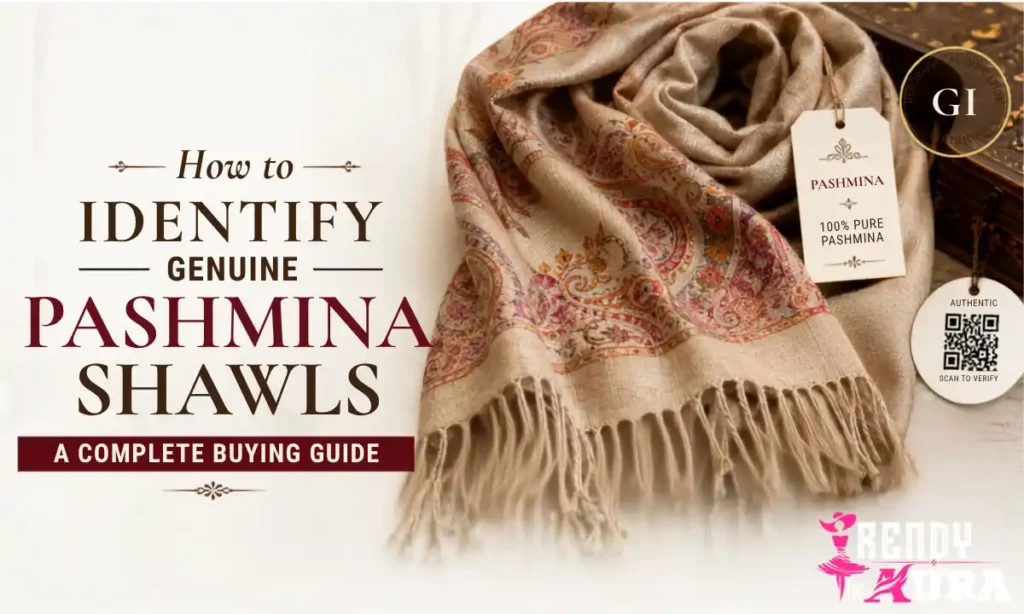
A genuine Pashmina shawl is much more than a fashion accessory. It is a symbol of traditional craftsmanship, luxury, and timeless elegance. Made from the exceptionally fine wool of the Changthangi goat found in the Himalayan region of Ladakh, authentic Pashmina is known for its incredible softness, lightweight feel, and natural warmth. Each original shawl is carefully handcrafted by skilled artisans, making every piece unique.
As the popularity of Pashmina has grown, so has the number of counterfeit products available in the market. Today, many shawls labeled as “Pashmina” are actually made from synthetic fibers or inexpensive wool blends. These imitation products often resemble the real thing, making it difficult for buyers to distinguish between genuine and fake Pashmina. Knowing the right identification methods can help you make a confident purchase and avoid spending money on low-quality alternatives.
This comprehensive guide explains everything you need to know about identifying an authentic Pashmina shawl, from checking its texture and weave to understanding certifications and buying from trusted sellers.
What Is Genuine Pashmina?
Genuine Pashmina is an extremely fine natural fiber collected from the soft undercoat of the Changthangi goat, also known as the Cashmere goat. These goats live in the cold, high-altitude regions of Ladakh, where they develop an exceptionally warm and lightweight fleece to survive harsh winters.
Every spring, the goats naturally shed this soft wool, which is carefully collected without harming the animals. The fibers are then cleaned, hand-spun into yarn, and woven into beautiful shawls by experienced Kashmiri artisans. This traditional process has been practiced for centuries and contributes to the exceptional quality of authentic Pashmina.
Unlike factory-made scarves, genuine Pashmina requires weeks or even months of skilled craftsmanship to complete.
Genuine Pashmina at a Glance
| Feature | Genuine Pashmina |
|---|---|
| Fiber Source | Changthangi Goat |
| Origin | Ladakh and Kashmir |
| Fiber Thickness | Around 12–16 Microns |
| Manufacturing | Hand-Spun and Handwoven |
| Texture | Soft with a Natural Feel |
| Warmth | Excellent Despite Being Lightweight |
| Average Weight | 100–150 Grams |
| Lifespan | Can Last for Decades with Proper Care |
Why Are Fake Pashmina Shawls So Common?
Authentic Pashmina is naturally rare because each Changthangi goat produces only a limited quantity of usable fiber every year. The entire manufacturing process also involves extensive manual work, making genuine Pashmina expensive to produce.
To reduce costs and increase profits, many manufacturers use cheaper materials such as acrylic, polyester, viscose, rayon, or ordinary wool. These imitation products are often marketed as “Pashmina” even though they contain little or no genuine Pashmina fiber.
For this reason, buyers should always examine the shawl carefully instead of relying only on its label.
15 Ways to Identify a Genuine Pashmina Shawl
1. Look for a GI Certification Tag
One of the easiest ways to verify authenticity is by checking for a Geographical Indication (GI) certification. This certification helps protect genuine Kashmir Pashmina from counterfeit products.
An authentic GI-certified shawl generally includes:
- Official GI label
- Unique identification number
- QR code on many newer products
- Artisan or manufacturer details
If the seller cannot provide any proof of authenticity, it is wise to proceed with caution.
2. Feel the Texture
Many people believe genuine Pashmina should feel silky smooth, but this is a common misconception.
Authentic Pashmina feels:
- Exceptionally soft
- Naturally warm
- Slightly textured rather than slippery
- Comfortable without feeling synthetic
Artificial fabrics often feel overly smooth or plastic-like.
3. Examine the Weave
Since genuine Pashmina is handwoven, it usually contains tiny irregularities that reflect handmade craftsmanship.
Look closely for:
- Slight weaving variations
- Minor differences in thread alignment
- Handmade finishing details
Machine-made products typically have perfectly uniform weaving.
4. Test Its Warmth
Despite being extremely lightweight, authentic Pashmina provides remarkable warmth.
Wrap the shawl around your shoulders for a few moments. A genuine shawl begins to retain body heat quickly while remaining light and breathable.
Thicker synthetic shawls often provide less warmth.
5. Check the Weight
A full-sized authentic Pashmina shawl generally weighs between 100 and 150 grams. Even though it feels light, it provides excellent insulation. Heavy shawls advertised as Pashmina are often made from blended or synthetic fibers.
6. Consider the Price
Real Pashmina cannot be sold at extremely low prices.
The rarity of the raw fiber and the lengthy handmade production process naturally make authentic shawls expensive. If a product claims to be 100% Pure Pashmina at an unusually cheap price, it is likely not genuine.
7. Inspect the Fringes
Handmade Pashmina shawls usually feature neatly finished fringes that reflect traditional craftsmanship. Perfectly identical machine-cut fringes may indicate factory production.
8. Read the Fabric Label
Always check the composition label before purchasing.
Labels may include:
- 100% Pashmina
- Pure Pashmina
- Pure Cashmere
Be cautious of terms like:
- Pashmina Blend
- Acrylic Pashmina
- Viscose Blend
- Polyester Blend
These indicate that the product is not made entirely from genuine Pashmina.
9. Perform the Ring Test
The well-known ring test involves passing a plain Pashmina shawl through a finger ring.
Because authentic fibers are extremely fine, many genuine plain shawls can pass through a ring. However, this test should not be considered the only proof of authenticity. Some imitation fabrics can also pass the test, while embroidered or thicker genuine shawls may not.
Use this method together with other identification techniques.
10. Look for Natural Fiber Hair
Authentic Pashmina may display tiny natural fibers when examined closely. Synthetic fabrics usually appear perfectly smooth and uniform. These fine fibers are a natural characteristic of genuine animal wool.
11. Burn Test (Only on Loose Fibers)
If you have permission to test a loose thread, genuine Pashmina behaves differently from synthetic materials.
Natural fibers:
- Smell similar to burnt hair
- Turn into soft ash
Synthetic fibers:
- Melt quickly
- Smell like burning plastic
- Form hard plastic beads
Never perform this test directly on a finished shawl without permission.
12. Observe the Shine
Real Pashmina has a soft, elegant appearance with a subtle natural finish. If the shawl has an overly glossy or shiny surface, it is likely made from synthetic fibers. Natural luxury is refined rather than flashy.
13. Notice the Yarn
Traditional Pashmina yarn is hand-spun. As a result, the yarn thickness may vary slightly throughout the shawl, creating a natural handmade character. Machine-made yarn usually appears perfectly even.
14. Ask About Its Origin
A trustworthy seller should be able to explain:
- Where the wool was sourced
- Where the shawl was woven
- Whether it is handwoven
- Whether it includes authenticity certification
Reliable sellers are generally transparent about their products.
15. Buy Only from Trusted Sellers
The safest places to purchase genuine Pashmina include:
- Government handicraft stores
- Reputed Kashmiri artisan cooperatives
- Established textile retailers
- Trusted online stores that provide authenticity certificates and clear return policies
Avoid buying from sellers offering unrealistic discounts without proper documentation.
Genuine vs Fake Pashmina
| Feature | Genuine Pashmina | Fake Pashmina |
|---|---|---|
| Material | Changthangi Goat Fiber | Acrylic, Polyester, Viscose |
| Warmth | Excellent | Moderate |
| Weight | Very Light | Usually Heavier |
| Texture | Soft with Natural Feel | Artificially Smooth |
| Weaving | Handmade with Minor Variations | Machine Made |
| Price | Premium | Very Cheap |
| Certification | Usually Available | Often Missing |
| Durability | Long Lasting | Less Durable |
Common Myths About Pashmina
Myth 1: Every Soft Shawl Is Genuine Pashmina
Softness alone does not prove authenticity. Many synthetic fabrics are manufactured to feel extremely soft.
Myth 2: The Ring Test Is Always Accurate
Although the ring test is popular, it should never be the only method used to identify genuine Pashmina.
Myth 3: Expensive Means Genuine
A high price does not automatically guarantee authenticity. Always verify certifications and craftsmanship.
Myth 4: Perfect Weaving Indicates Better Quality
Authentic handmade weaving naturally contains tiny imperfections that reflect traditional craftsmanship.
Questions to Ask Before Buying
Before purchasing a Pashmina shawl, consider asking the seller:
- Is this made from 100% genuine Pashmina?
- Is it handwoven?
- Does it include authenticity certification?
- Where was it made?
- Is it woven in Kashmir?
- Can the certification be verified?
Honest sellers will usually answer these questions confidently.
Where Should You Buy Genuine Pashmina?
For the best chance of purchasing an authentic shawl, choose reputable sources such as government handicraft stores, trusted Kashmiri artisan cooperatives, well-known textile brands, or reliable online retailers that provide authenticity certificates and transparent return policies.
How to Care for a Genuine Pashmina Shawl
Proper care will help preserve the beauty and softness of your Pashmina for many years.
- Dry clean when necessary or hand wash gently if recommended.
- Use only mild wool-friendly detergent.
- Never wring or twist the fabric.
- Dry the shawl flat in the shade.
- Store it folded inside a breathable cotton bag.
- Use natural moth repellents such as cedar wood or lavender.
FAQs
How can I identify a genuine Pashmina shawl?
Check its texture, lightweight feel, handwoven weave, and authenticity certification.
Does every genuine Pashmina shawl have a GI tag?
Many authentic Kashmir Pashmina shawls have a GI tag, but not all older pieces do.
Why are genuine Pashmina shawls expensive?
They are made from rare natural fibers and handcrafted by skilled artisans.
Is the ring test enough to verify authenticity?
No. Use it along with other checks like certification, texture, and weave.
Where should I buy a genuine Pashmina shawl?
Buy from trusted Kashmiri artisans, government emporiums, or reputable retailers.
Conclusion
A genuine Pashmina shawl is a valuable investment that represents centuries of craftsmanship, natural luxury, and timeless style. Because counterfeit products are widely available, buyers should learn how to identify authentic Pashmina by examining its texture, weave, weight, certification, and overall craftsmanship. Rather than depending on a single test, combining several identification methods provides the most reliable way to verify authenticity. By purchasing from trusted sellers and understanding the qualities of real Pashmina, you can confidently choose a shawl that offers lasting comfort, elegance, and exceptional value.
Also, Read About: Urbano Fashion || Fashion Rescue 911 Boutique and Fashion Truck Syracuse NY || Traditional Dress of Maharashtra Men-Women || Bridal Nail Art Designs || Maroon vs Burgundy

